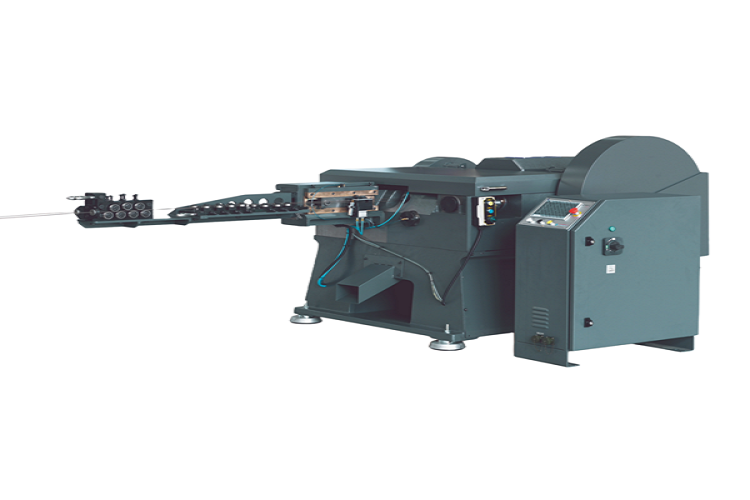
Nail production is not just about speed and efficiency. It is a precise process that requires a perfect interplay of mechanical components, computer control and quality materials. In this comprehensive article, we delve into the world of nail making machines, their types, features and future trends in the industry.
Table of Contents
Historical development of nail manufacturing
Before we get to modern technology, it’s worth looking at the historical context. For centuries, nails were handmade by blacksmiths, a time-consuming process that limited the availability of this important building element.
The Industrial Revolution brought the first mechanised processes, but the real breakthrough came with the development of automated nail manufacturing machine systems in the 20th century. These machines dramatically reduced the cost of production and made nails available to the mass market.
Types of modern nail manufacturing machines
Today’s market offers different types of machines, each optimized for a specific type of nail:
1. Wire nailer – The most common type that processes coils of wire into standard nails of various sizes.
2. Thread nailer – Specialized equipment that uses thread rollers to create a threaded pattern.
3. Wrought Nail Machines – Creates stronger, traditional looking nails for specialized applications.
4. Headless nail machines – Produce headless nails for specific construction applications.
5. Combination Machines – Multi-function machines capable of producing different types of fasteners.
How a conventional nail production machine works
The standard nail production process involves several key steps:
Wire Preparation – Wire is unwound from large spools and straightened using a roller system.
Cutting – The straightened wire is cut to the desired length by precision cutting mechanisms.
Head Forming – Special hammers or presses form one end of the cut wire into a nail head.
Tip Shaping – The opposite end is ground or pressed into a pointed shape.
Surface Treatment – Finished nails may be electroplated, phosphated or otherwise surface treated to increase corrosion resistance.
Quality Control – Automatic systems check the dimensions and quality of the nails produced.
Packaging – Finished nails are counted and packaged in boxes or bags.
An advanced nail manufacturing machine can handle all these steps in one integrated process with minimal human intervention.
Innovation in nail manufacturing technology
The industry is not left behind when it comes to technological innovation. The latest nailing machines offer:
1. Computer Controlled Systems – Allow for precise parameter settings and easy switching between different types of nails.
2. High speed production – Modern equipment can produce up to 2000 nails per minute.
3. Energy efficiency – New models consume up to 30% less energy than previous generation machines.
4. Advanced thread rollers systems – Produce more accurate and durable threads for special applications.
5. Integrated inspection systems – Ensure consistent quality and minimize scrap.
Choosing the right machine for nail production
When considering an investment in a nail production machine, there are several factors to consider:
Production capacity
Smaller manufacturers can get by with machines producing 300-500 nails per minute, while large industrial companies need equipment with a capacity of 1000+ nails per minute.
Type of nails produced
Do you specialize in a specific type of nails or do you need a flexible machine? Some machines are designed specifically for one type, while others offer quick changeover capabilities.
Material requirements
Different materials (steel, aluminum, stainless steel) require different machine specifications. Especially important are thread rollers components if you are producing threaded nails.
Space constraints
Modern machines can be compact or, conversely, bulky depending on their capacity and features.
Automation and integration
More advanced systems offer integration options with your existing production lines and control systems.
Nail machine maintenance and operation
Regular maintenance is key to the longevity and efficient operation of your equipment:
1. Daily checks – Lubrication, checking tools for wear, cleaning.
2. Weekly maintenance – Belt tension check, sensor calibration.
3. Monthly service – More thorough inspection of all mechanical components, especially thread rollers on threaded nailer machines.
4. Semiannual General Maintenance – Complete overhaul and replacement of worn components.
Consistent maintenance can extend the life of your machine for many years and ensure consistent production quality.
Economic aspects of nail production
The investment in a quality nail manufacturing machine is not negligible, but the payback can be quite quick:
Acquisition costs – From €15,000 for a basic model to €150,000 for a fully automated production line.
Operating costs – Include electricity, materials, maintenance and labour.
Productivity – Modern machines can reduce the cost per nail by up to 60% compared to older technologies.
Flexibility of production – The ability to quickly adapt to changing market demands.
Trends and the future of the nail industry
Where is the future of the industry heading? Here are some expected trends:
1. Intelligent Manufacturing Systems – Integrating artificial intelligence and machine learning to optimize manufacturing processes.
2. Environmental sustainability – More energy efficient machines and the use of recycled materials.
3. Miniaturization – Producing ever smaller and more precise fasteners for the electronics industry.
4. Specialised coatings – Development of new anti-corrosion and anti-microbial coatings.
5. Industry 4.0 integration – Linking nail machines to the overall smart factory ecosystem.
Frequently Asked Questions
What is the typical lifespan of a modern nail machine?
With proper maintenance, a quality nail production machine can last 15-20 years, although some components, especially thread rollers, will require more frequent replacement.
What are the most common problems when operating these machines?
The most common problems are wear on cutting tools, wire jams, nail head forming problems, and on specialized machines, wear on thread rollers components.
Can I produce different sizes of nails on one machine?
It depends on the specific model. Most modern machines allow some flexibility in size range, but for dramatic size changes, some components may need to be replaced.
How high is the return on investment for a new machine?
At full utilization, the investment in a modern nail manufacturing machine typically pays for itself within 2-4 years, depending on the efficiency of your previous production and current market conditions.
What skills do operators of these machines need?
A basic understanding of mechanics, the ability to read technical drawings, an understanding of materials and, for newer models, basic IT skills to work with control systems.
Conclusion
Nail making machines are a fascinating example of industrial evolution – from simple manual tools to highly automated systems capable of producing thousands of precision fasteners every minute. The modern nail production machine combines centuries of engineering expertise with the latest automation and materials engineering technologies.
For manufacturers, it is important to understand not only the technical specifications of these machines, but also the economics of their operation and the trends that will shape the future of the industry. As the demand for specialized fasteners grows and demands for accuracy and efficiency increase, the importance of advanced manufacturing technologies, including sophisticated thread rollers systems, will continue to grow.
Investing in the right nail manufacturing technology can be a key factor for many manufacturers to compete in the dynamic construction and industrial sectors.
Visit our website: https://www.zeus-techno.com/